
Protecting Wool from Moths: The Complete Guide
Care Instructions
Protecting Wool from Moths
A Scottish wool blanket or a cashmere scarf is an investment—and moths are their worst enemy. This guide explains why moths attack wool, how to keep them away effectively, and what to do if damage has already occurred.
Understanding the Enemy
Why do moths attack wool, of all things?
Es sind nicht die Motten selbst, die Schaden anrichten – es sind ihre Larven. Die Kleidungsmotte (Tineola bisselliella) legt ihre Eier bevorzugt in Naturmaterialien ab: Wolle, Kaschmir, Alpaka, Mohair, Angora, Seide, Fell und Federn. Die Larven fressen Keratin – ein Protein, das in diesen Fasern vorkommt und das sie zum Wachsen brauchen.
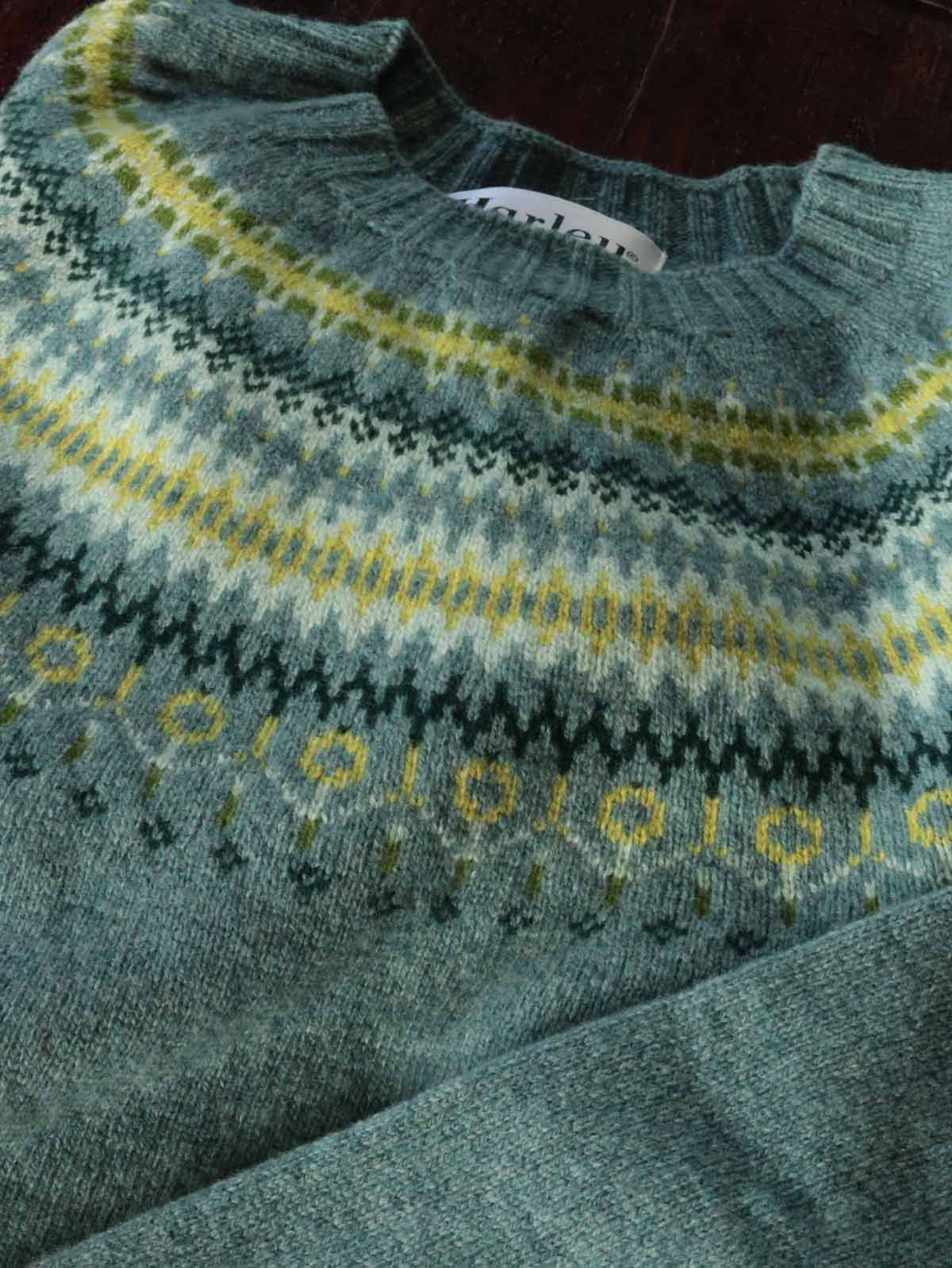
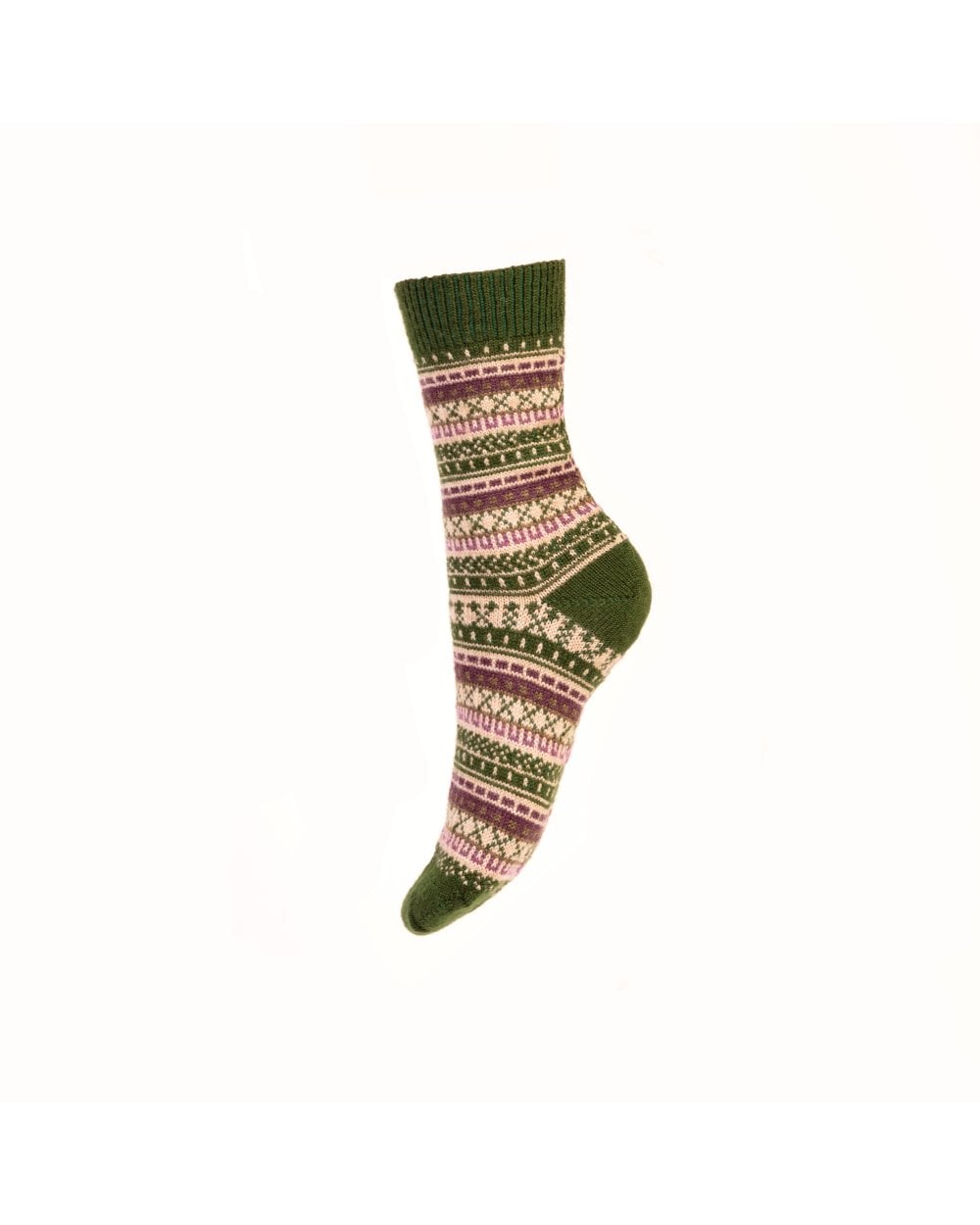
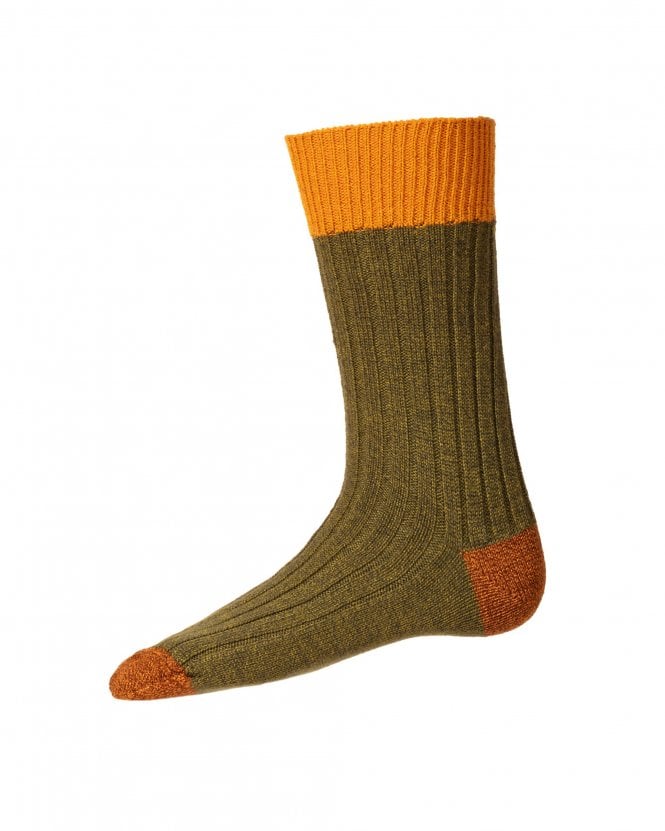
Synthetic fibers such as polyester or acrylic are of no interest to moths—an indirect advantage for inexpensive textiles. The trade-off: Anyone who invests in genuine natural fibers must actively protect them.
Moths prefer dark, quiet, undisturbed places—closets, boxes, and chests. Items that aren’t worn or moved regularly, and those with sweaty or soiled spots, are particularly vulnerable. Body salts and food residue attract moths. The first rule of protection is therefore: Always store items clean.
What Moths Prefer
| Favorite Material | Wolle, Kaschmir, Seide, Alpaka, Mohair, Angora, Fell, Federn |
| Favorite Place | Dark, quiet, undisturbed—closets, boxes, attics |
| When They Are Especially Active | Spring and Summer—When It's Time to Put Away Your Wool Clothes |
| What Attracts Her | Body salts, food stains, sweat on unwashed items |
Prevention
Six Steps That Really Help
Always store items clean
Wash or clean every woolen garment before storing it—even if it was worn only briefly. Sweat, body oils, and food particles—which are invisible to the human eye—are a signal to moths. For cashmere and delicate woolen garments: dry clean before storing them for the summer.
Store in an airtight container
Store woolen items in tightly sealed containers—clear plastic storage boxes or airtight fabric bags made of cotton or linen are ideal. Plastic bags work for short periods, but they don’t allow air to circulate and can promote mold growth if moisture is present. Moths cannot penetrate plastic containers—so this solves the problem mechanically.
Use natural fragrances
Moths avoid strong natural scents. The most effective natural remedies:
- Cedarwood – Cedarwood hangers, blocks, or chips release natural oils that repel moths. To restore effectiveness after 6–12 months, sand the surface.
- Lavender – fresh or dried lavender sachets are a classic, tried-and-true moth repellent. Our handmade Tweed lavender sachets protect your wool and smell wonderful.
- Rosemary, bay leaves, cloves —other natural repellents that work when placed in storage containers in their dried form.
- Essential oils on a cloth—apply a few drops of cedar, lavender, or rosemary to a cotton cloth. Do not apply directly to the wool.
Wear and air out regularly
Moths prefer to lay their eggs in undisturbed, quiet areas. Items that are worn, moved, and aired out regularly are significantly less at risk. Hang your woolen garments out in the fresh air at least once a season—sunlight and fresh air deter moths and keep the fibers fresh.
Keep Cabinets and Storage Areas Clean
Moth eggs and larvae hide in seams, folds, and cracks. Vacuum closets, drawers, and storage areas regularly—including behind and under furniture. Moth eggs are tiny and almost invisible to the naked eye; thorough vacuuming is the simplest mechanical preventive measure.
Always check new parts
Vintage wool items, secondhand clothing, or items that have been stored for a long time should always be thoroughly inspected before putting them away in the closet and, if possible, frozen (48 hours at –18°C reliably kills eggs and larvae). This will prevent an infested new item from endangering the rest of your collection.
Once it has happened
What Should You Do If You Have a Moth Infestation?
If you discover moth damage—recognizable by irregular holes, silky threads, or small granules—take immediate action:
| Step 1 | Immediately remove all affected and adjacent woolen items from the closet and set them aside. |
| Step 2 | Seal infested items in plastic bags and freeze them at –18°C for 48 hours. This reliably kills eggs and larvae. |
| Step 3 | After freezing: Have cashmere and delicate items professionally dry-cleaned. Gently hand-wash simpler wool items in cold water. |
| Step 4 | Completely empty the closet, vacuum it thoroughly—paying special attention to corners, seams, and crevices—and wipe it down with a cloth dampened with cedarwood oil or lavender oil. |
| Step 5 | Hang up moth traps with pheromone-coated sticky surfaces—they attract males and disrupt the reproductive cycle. It’s not a cure-all, but it’s a good monitoring measure. |
What You Should Avoid: Naphthalene mothballs (with that classic scent) are effective, but they contain chemicals—the odor penetrates deep into the wool and is very difficult to remove. In addition, direct contact with them can damage the wool’s structure. We recommend using only natural alternatives.
Brief Overview
Moth Protection at a Glance
| Before Storage | Always store items clean—wash them or have them dry-cleaned |
| Container | Airtight plastic containers or linen bags |
| Natural Protection | Cedarwood + Lavender – Most Effective When Combined |
| Regularly | Air out, carry, vacuum the closet |
| In case of infestation | Freeze (48 hours / –18°C) → clean → disinfect the cabinet |
| Never | Use naphthalene mothballs on or near wool |
The Scottish Shop
Natural Moth Protection & Wool Care
Our handmade " Tweed" lavender sachets protect your woolen treasures while filling the air with the scent of a Scottish summer. Paired with our wool blankets and cashmere products, they make a complete care set.
Additional Care Instructions
|
Caring for Your Picnic Blanket Cleaning, Storage, and Stain Removal |
Buying a Wool Blanket: A Guide What to Look for When Buying |
|
Cashmere: The Complete Guide Quality, Origin, and Care Explained |
Cashmere Care Specific Care Instructions for Cashmere Products |
"Good wool deserves good care."
Curated with love for Scotland by The Scottish Shop – authentic Scottish products, delivered throughout Europe.