NEP TWIST WOLLE
Nep Twist Wool verbindet die strukturierte, rustikale Optik von „Neps“ mit der technischen Leistungsfähigkeit der „High-Twist“-Spinntechnik. Das Ergebnis ist ein Kleidungsstück, das sowohl optisch einzigartig als auch äußerst praktisch für Reisen und als Sportbekleidung ist.

Nep Twist
Aesthetic Benefits of “Nep”
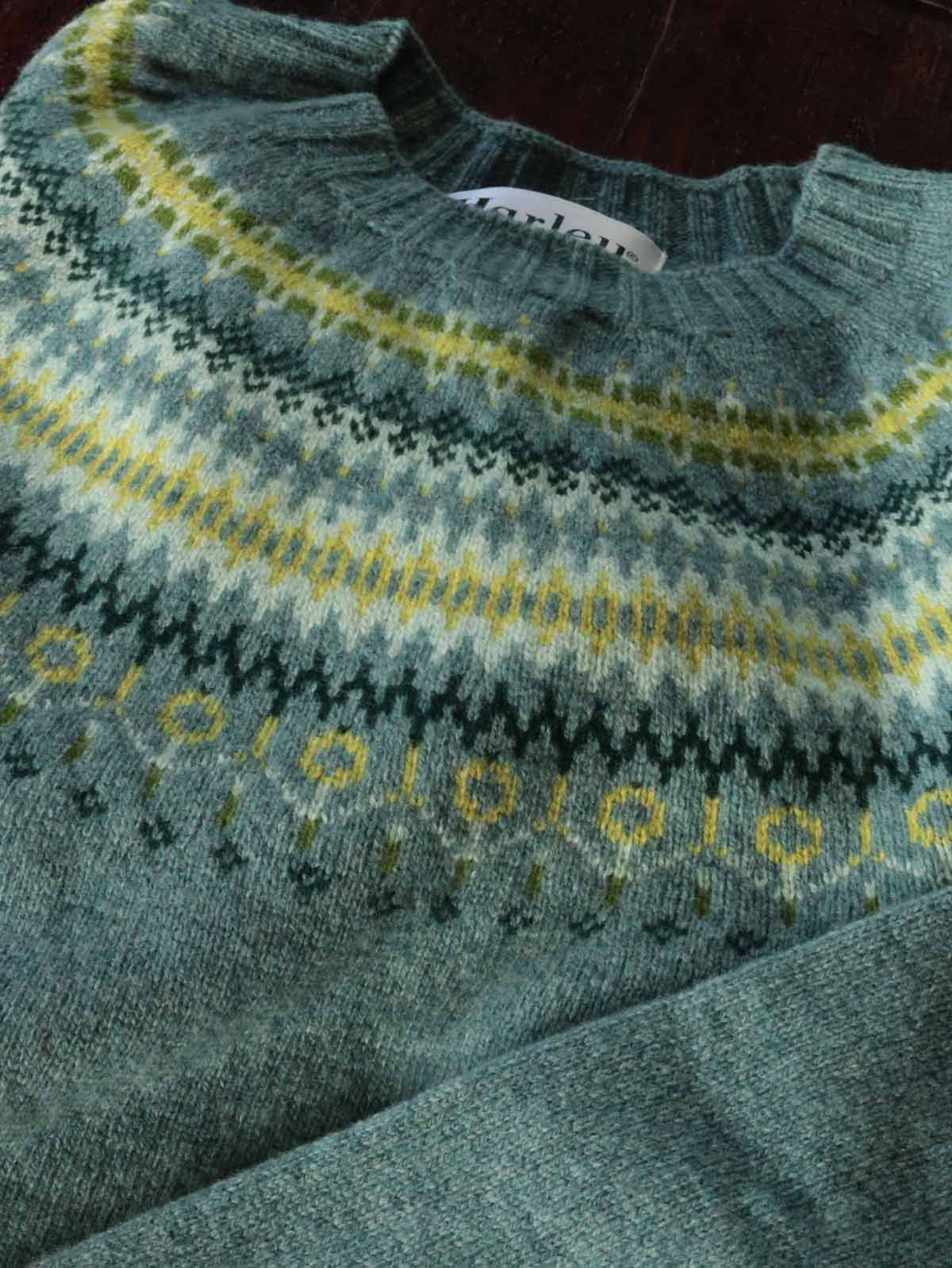
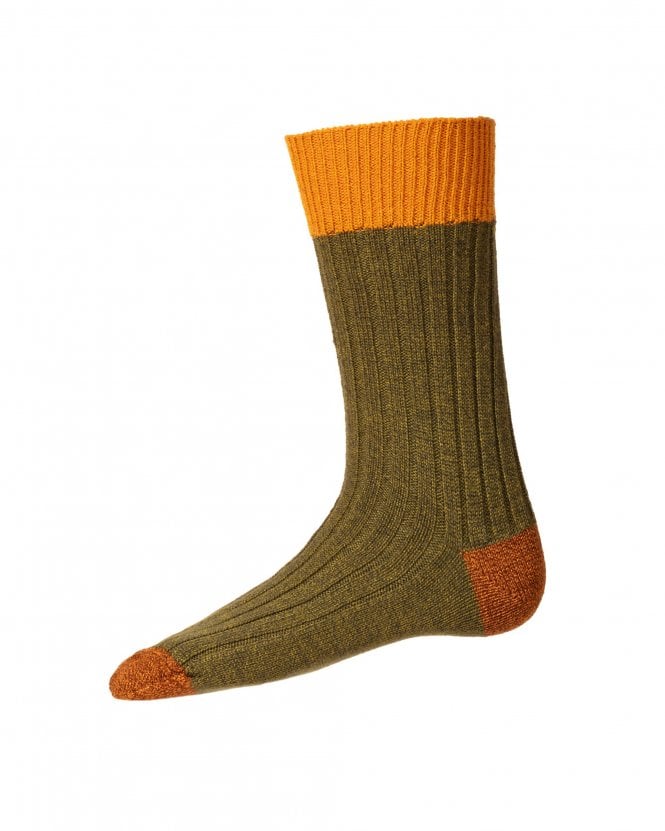
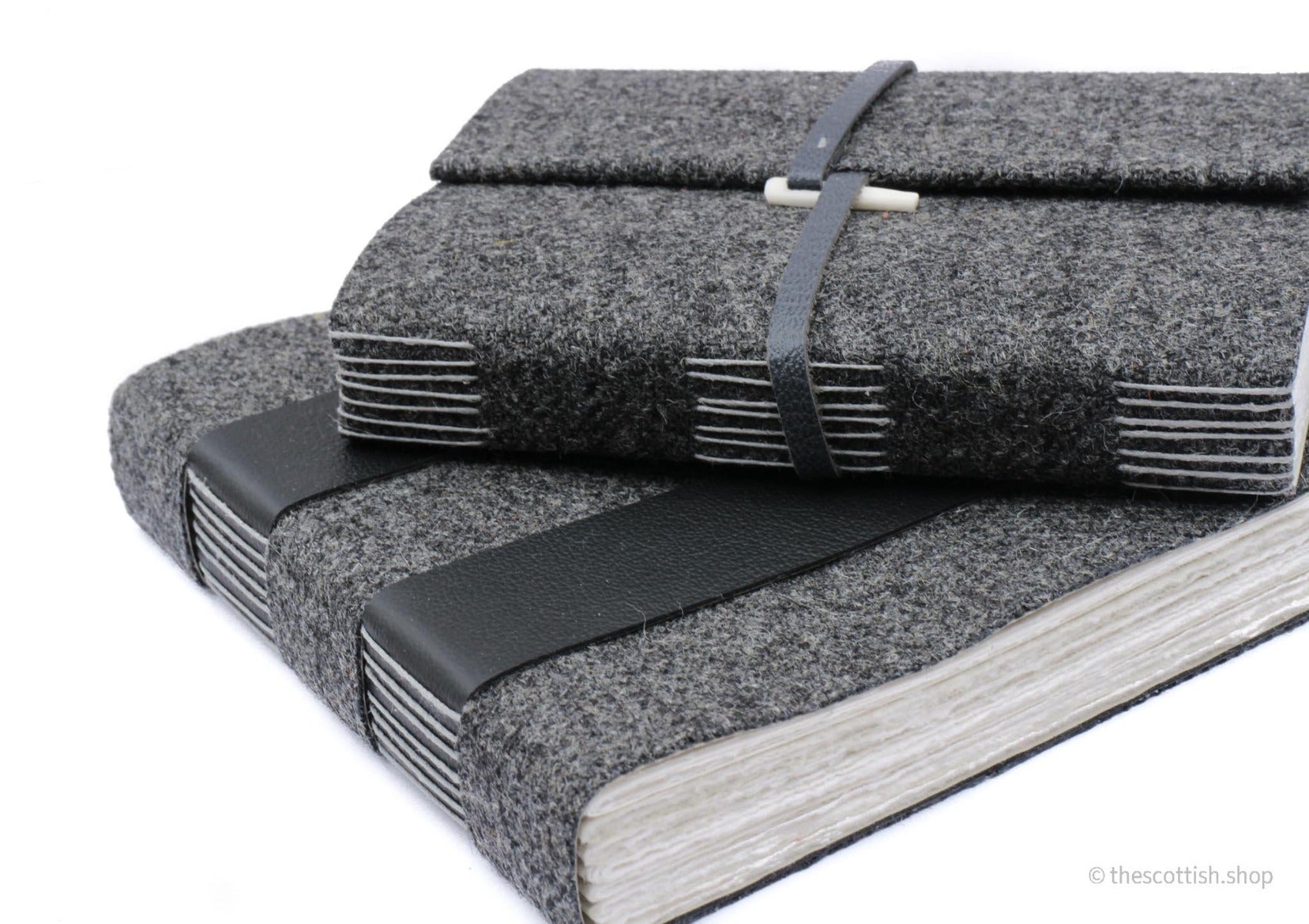
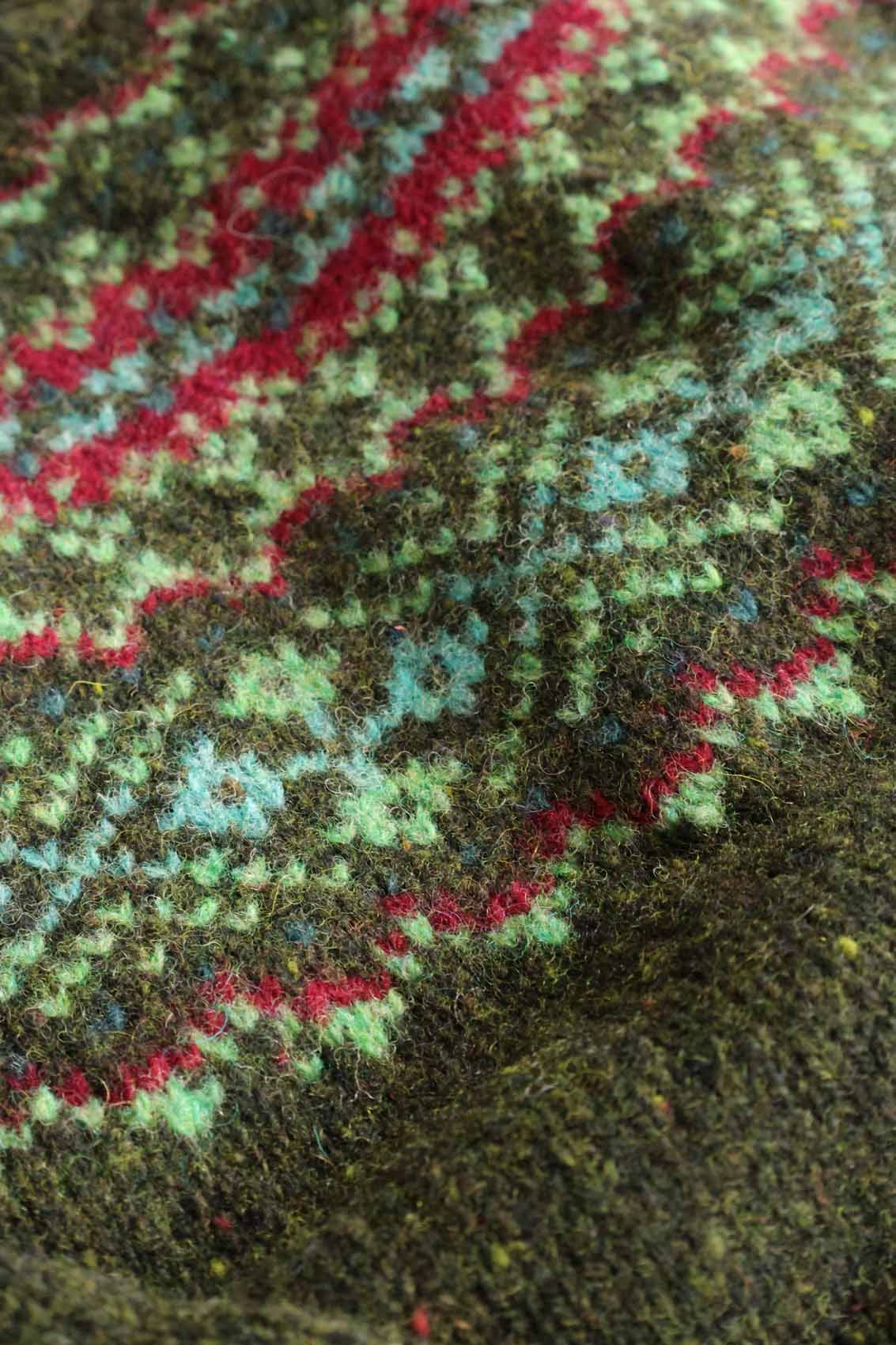
“Neps” are small, matted tufts of fiber that often feature contrasting colors and are embedded in the yarn. These speckled neps give the garment depth and character (sometimes referred to as the “Donegal style”). Neps are often a byproduct of the recycling process or the natural bleeding of fibers; as such, they make each garment unique and contribute to more sustainable knitwear. Combined with a high twist, the neps create a sophisticated and textured finish, making each garment suitable for both formal and casual occasions.

Nep Twist
Performance Benefits of “Twist”
The term “twist” refers to the tight twisting of the yarn, which improves the physical properties of the wool. The tightly twisted fibers are naturally more elastic and therefore less prone to wrinkling, as they quickly smooth out again after sitting or being folded. The highly twisted wool offers excellent breathability by maximizing airflow and keeping the wearer cooler in humid conditions. Another advantage is the wool’s increased durability; its higher tensile strength makes the wool more robust and prevents “shine” or wear marks in areas of high friction. Finally, thanks to its crip construction, Nep-Twist has a natural, textured drape that maintains a clean silhouette that doesn’t cling to the body.

Nep Twist
Key Characteristics of Knitwear
The term “twist” refers to the high degree of twisting in the yarn, which makes “high-twist” yarns more elastic, helps them retain their shape better, prevents bulging at the elbows, and allows them to return to their original shape. Because the twisted yarn can trap more air, many sweaters are surprisingly lightweight yet warm. Finally, the tight twists ensure greater durability, significantly reducing pilling and the formation of lint.